
👇WATCH EPISODE 👇
Is the Future of Real Estate Doomed or Is the Opportunity Just Getting Started?
For the last few years, I’ve heard the same question over and over again from investors:
“Chris, is real estate dead?”
With rising interest rates, insurance costs skyrocketing, expenses climbing, and multifamily getting absolutely hammered, it’s a fair question. Fear is everywhere. And when fear shows up, that’s usually my cue to slow down, zoom out, and look at the fundamentals instead of the headlines.
That’s exactly why I sat down with Tim Bratz, founder of Legacy Wealth and an investor who’s bought over 6,000 doors and still owns around 3,000 units today. Tim has lived through multiple cycles, built at scale, and more importantly, understands why markets move not just that they move.
What came out of our conversation was clarity. Real clarity.
Real Estate Always Comes Back to Supply and Demand
One of the biggest mistakes investors make is assuming every downturn looks the same. People love to compare today to 2008, but the setup couldn’t be more different.
In 2008, we had too much supply and not enough real demand. Builders overbuilt.
Lending standards were reckless. When demand dried up, prices collapsed and took years to recover. Today, we have the opposite problem.
The United States is short millions of housing units and that shortage is growing every single year. Immigration, population growth, and people finally moving out on their own all fuel demand. Meanwhile, new construction has slowed dramatically.
Why? Because builders rely on short-term financing tied to the Fed rate. When rates spiked in 2022–2024, most developers simply stopped. Land wasn’t banked. Projects weren’t approved. Pencils went down.
Here’s the key point most people miss: Even if rates improve today, it still takes two to three years before new housing actually hits the market.
That creates a gap. And gaps create opportunity.
Why the Next Few Years Favor the Right Kind of Housing
Not all real estate benefits equally.
Tim made something very clear: the opportunity isn’t in luxury housing or massive custom homes. In fact, those may struggle more as baby boomers downsize and buyers become more cost-conscious.
The real opportunity is in workforce housing.
That means:
- Single-family homes under replacement cost
- Multifamily units priced well below luxury thresholds
- Properties that real people with real jobs can actually afford
You can’t build a new house today for cheap. Construction costs alone push prices into ranges many buyers and renters simply can’t afford. That puts pressure—and value—on older, well-located housing that already exists.
And there’s another shift happening too.
Bigger Units May Matter More Than New Finishes
One thing I found especially interesting is how housing needs are changing.
More adults are delaying homeownership. More families are pooling resources. More people are living together out of necessity, not preference.
That means larger units more bedrooms, more flexibility may outperform smaller, “luxury” layouts over time.
Ironically, many older apartments and homes already fit this need better than new developments, which tend to favor studios and one-bedrooms.
Again, fundamentals matter more than flash.
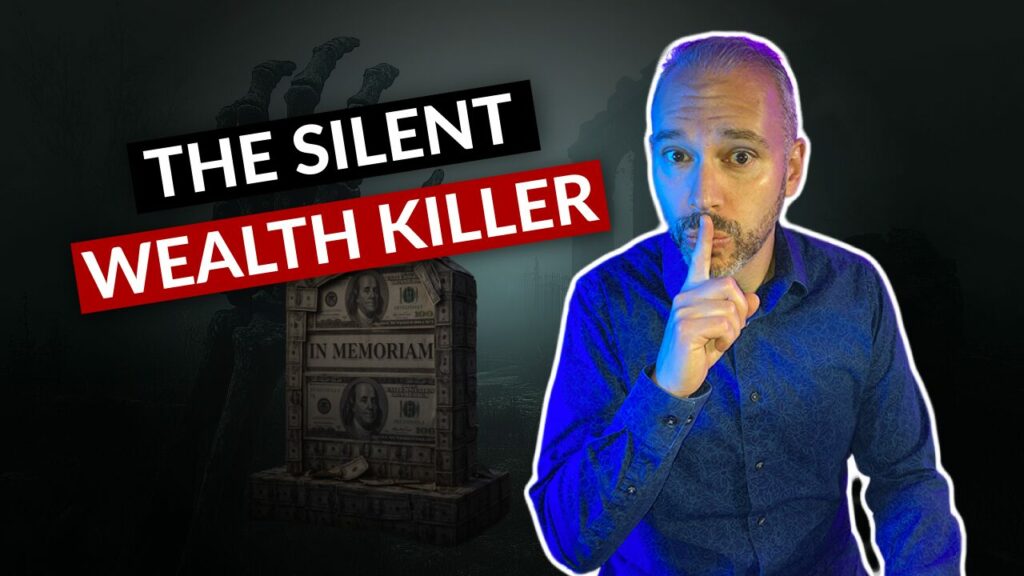
The Silent Wealth Killer: Bad Property Management
Here’s where the conversation took a powerful turn.
Tim believes and I agree that bad property management has destroyed more investor wealth than interest rates ever could.
Not always because managers are lazy or dishonestnbut because they’re operating with:
- Fragmented systems
- Poor data
- Too many disconnected tools
- No real automation
Missed billing errors. Unnoticed expense spikes. Delayed maintenance. Lost communication. All of that quietly erodes cash flow and asset value.
That’s why Tim built Smart Management, an all-in-one, AI-enhanced property management platform. The goal wasn’t to create another piece of software it was to eliminate the chaos.
From flagging abnormal utility bills to automating maintenance workflows and tenant communication, the focus is simple: More efficiency, less waste, better decisions.
Whether you self-manage or oversee third-party managers, systems matter more than ever.
Fear Often Signals Opportunity If You’re Positioned Correctly
Here’s my takeaway for you.
Yes, real estate has been painful. Yes, many investors and syndicators are exhausted. And yes, some people are walking away right now.
But markets don’t reward emotion. They reward preparation.
If demand remains strong, supply tightens, and affordability stays constrained, then the right assets bought with discipline and managed efficiently can thrive again.
The biggest danger I see isn’t real estate itself.
It’s investors making permanent decisions based on temporary circumstances.
This isn’t the time to blindly jump in. But it’s also not the time to give up.
It’s the time to get smart, get selective, and get positioned.
Final Thought: Knowledge Isn’t the Goal Action Is
You can listen to podcasts, read blogs, and watch videos all day long. But wisdom doesn’t come from information alone.
It comes from action.
The question isn’t whether real estate will recover. The real question is whether you will be prepared when it does.