
👇WATCH EPISODE 👇
It’s Not the Investment, It’s the Investor
Do you remember those old Spike Lee Nike commercials where he kept saying, “It’s gotta be the shoes”?
The implication was that Michael Jordan was great because of what he wore on his feet. Of course, we all know the truth. It wasn’t the shoes. It was the player.
That same misunderstanding shows up every single day in the world of money and investing.
People are constantly chasing the next hot investment. Real estate. Stocks. Multifamily. Infinite banking. Crypto. The newest strategy everyone’s talking about. They believe that if they can just find the right investment, everything will finally click.
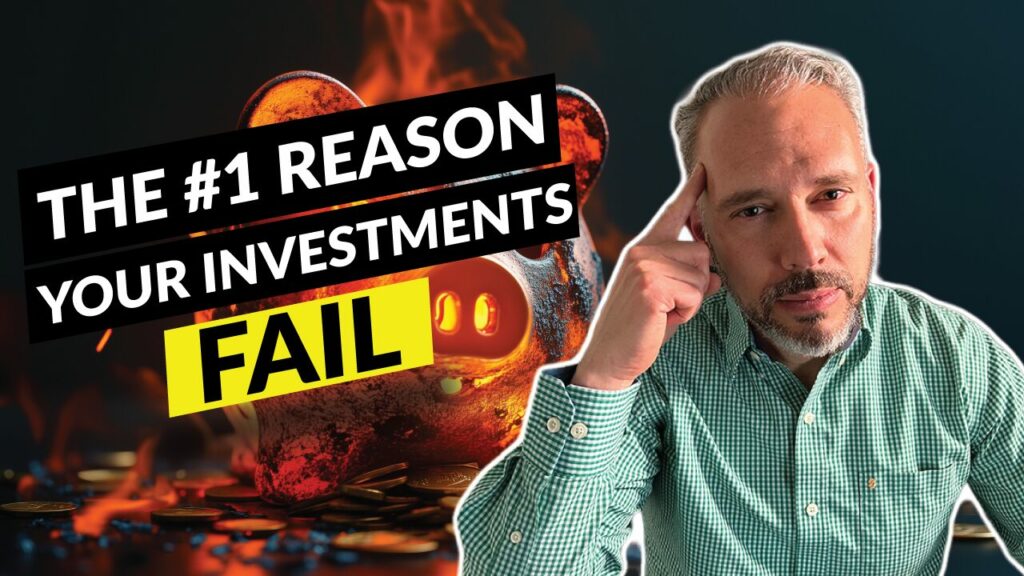
But here’s the truth most people don’t want to hear: It’s not the investment. It’s the investor.
Why Chasing the “Perfect Investment” Fails
I’ve been on countless podcasts where hosts ask me, “Chris, what’s the best investment right now?” I understand why people ask that question. We’re all busy. We all want results. And it feels comforting to believe that someone else has already figured out the shortcut.
The problem is that mindset leads people straight into trouble.
I’ve seen people lose money in the stock market, in real estate, in multifamily, and even in supposedly “safe” strategies. At the same time, I’ve watched other people use those exact same vehicles to create massive wealth.
What’s the difference? It’s not the vehicle. It’s how the investor thinks, evaluates risk, asks questions, and makes decisions.
This is why I always say: investors get rich, gamblers go broke.
Risk Is Not What You’ve Been Taught
One of the most dangerous lies in finance is the idea that “high risk creates high returns.” That belief violates basic logic and natural law.
Risk, by definition, is the chance of loss. A higher chance of losing does not magically increase your odds of winning. It simply increases the odds that you lose.
That narrative was popularized by financial institutions that benefit when you take risk while they collect guaranteed fees. Whether you make money or not, they get paid.
Smart investors think differently. They focus first on protecting their capital, then on earning a return. They care about return of money before return on money.
Why People Lose Money in Real Estate
Real estate is a perfect example of this principle.
I’ve seen people buy rental properties simply because they were cheap. They didn’t ask why they were cheap. They didn’t understand the neighborhood, the tenant base, or the long-term appreciation potential. Ten years later, the property still hasn’t gone up in value, and they’re stuck managing a headache that barely cash flows.
I’ve also seen people lose money in multifamily syndications. Not because multifamily is bad, but because they didn’t know what questions to ask. They trusted charisma instead of competence. They didn’t verify track records, financials, audits, or liquidity.
Podcasts are a great starting point, but you cannot become a great investor by just listening to podcasts. You have to understand the principles underneath what makes an investment work.
Liquidity: The Lesson Most Investors Learn Too Late
One of the biggest lessons I learned from downturns is the importance of liquidity.
Markets don’t always move slowly. When things shift, they can shift fast. We saw that in the last recession, and we saw it again when interest rates spiked in 2022. Multifamily, commercial real estate, retail, and even self-storage took hits because valuations dropped rapidly.
Equity can disappear overnight when markets change. That’s why time horizon matters. The longer your money is locked up, the more exposure you have to forces you can’t control.
Shorter-term strategies often reduce market risk because there’s simply less time for major shifts to work against you. Long-term projects require far more margin of safety, liquidity, and flexibility.
Infinite Banking: Same Company, Different Outcome
I see this same principle play out in infinite banking all the time.
People ask me, “Chris, what’s your favorite insurance company?” I’ll mention names like Penn Mutual, MassMutual, or Guardian. Then they assume the company alone guarantees success.
It doesn’t. Not all agents are created equal. Just like not all investors are created equal.
I recently reviewed a policy for a high-income professional who was putting in $60,000 per year. After the first year, her cash value was zero. After the second year, still zero. Even after three years and $180,000 in premiums, her cash value was only around $30,000.
Same company. Same age. Same health rating.
When we redesigned it properly, her first-year cash value was about $50,000. By year four or five, she had already surpassed what she put in. Long term, she ended up with more money as well.
The difference wasn’t the policy. It was the person designing it.
Become the Player, Not the Shoe Collector
This is why I teach people to become investors first and worry about investments second.
If you understand how to evaluate risk, liquidity, time horizon, and opportunity cost, you can succeed in almost any environment. If you don’t, even the “best” investment can fail you.
Stop chasing silver bullets. Stop looking for the perfect deal. Start focusing on how great investors think.
When you do that, the investments take care of themselves.
Remember: it’s not the shoes. It’s the player.